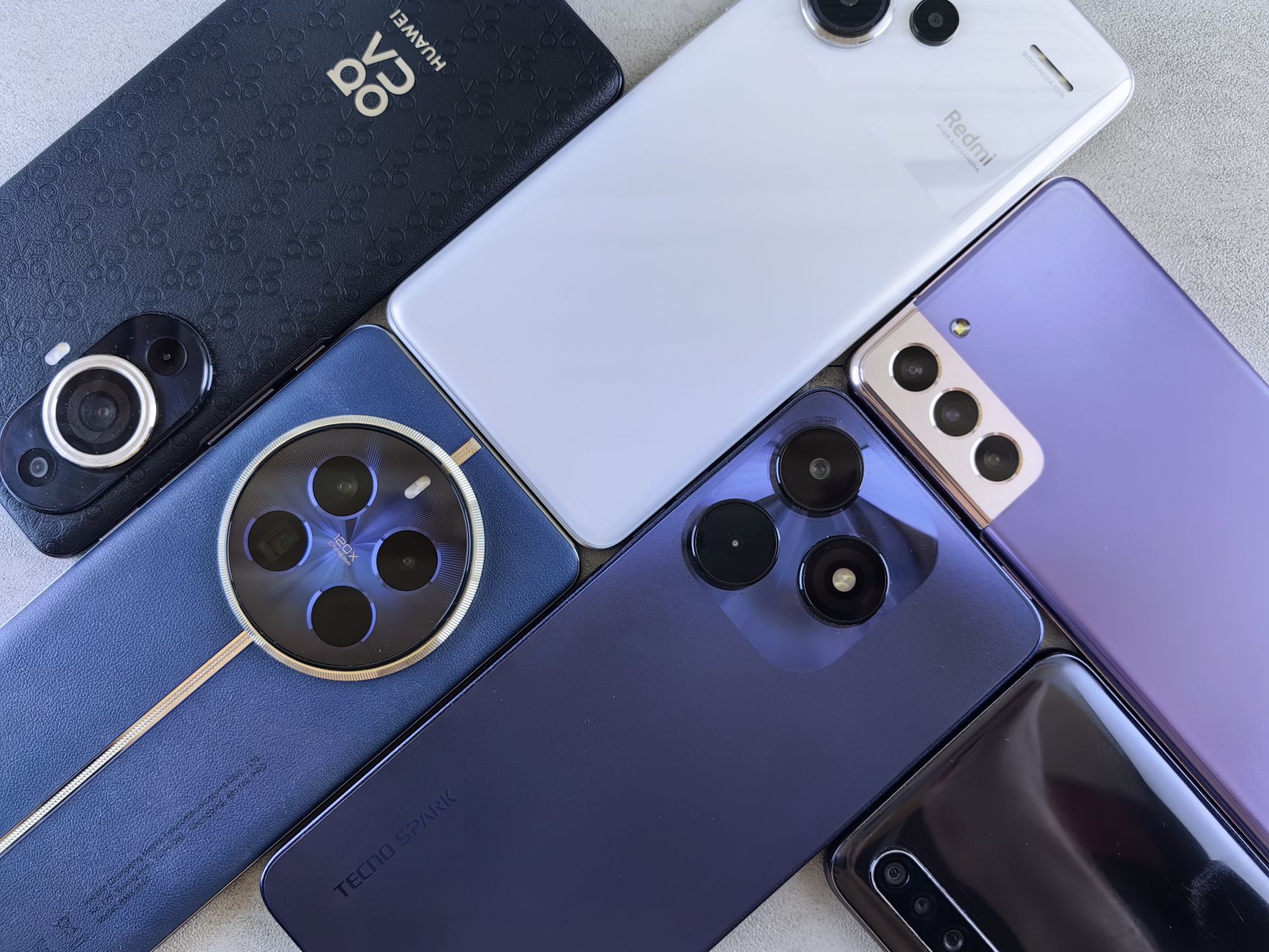
smartphone prices 2026 are on the rise, with a staggering 15% increase reported. This trend raises concerns about the shrinking specifications of new models.
Understanding smartphone prices 2026
The landscape of smartphone prices 2026 is shaped by various factors that are influencing consumer choices and market trends. As prices have surged by 15% this year, buyers are finding it increasingly challenging to balance budget constraints with the desire for advanced technology.
One of the most significant trends is the reduction in specifications while prices continue to rise. Many manufacturers are focusing on cutting costs, resulting in devices that may not deliver the expected value for money. This has left consumers questioning the worth of their investments.
Furthermore, the following elements are playing a crucial role in the current pricing dynamics:
- Supply Chain Issues: Ongoing disruptions are impacting the availability of components, leading to inflated costs.
- Competition: While competition among brands is fierce, it hasn’t necessarily translated into lower prices for consumers.
- Consumer Demand: The relentless demand for the latest technology continues to drive prices upward, despite shrinking features.
These trends highlight the complexities buyers face in navigating the smartphone market as they look toward 2026.
Impact of rising smartphone prices 2026
The impact of rising smartphone prices in 2026 is becoming increasingly apparent to consumers. As the market experiences a significant uptick, many buyers are feeling the strain on their wallets. With an average increase of 15% in prices, the situation is prompting potential buyers to rethink their purchasing decisions.
Several factors are contributing to this trend, including:
- Inflation: Rising costs of materials and production are being passed on to consumers, leading to higher retail prices.
- Supply Chain Issues: Ongoing disruptions have limited availability, further driving prices upward.
- Consumer Demand: A strong desire for the latest technology has encouraged manufacturers to price their products higher, despite potential reductions in specifications.
In this environment, buyers are often left choosing between affordability and the desired features. As smartphone prices 2026 continue to rise, understanding these trends becomes crucial for consumers looking to make informed decisions.
Why are smartphone prices 2026 increasing?
The landscape of smartphone prices in 2026 is becoming increasingly challenging for consumers. Several key factors are contributing to the rise in costs, making it essential for buyers to understand the underlying trends.
- Supply Chain Disruptions: Ongoing supply chain issues continue to affect the availability of essential components, driving up production costs for manufacturers.
- Inflation: General economic inflation is impacting various sectors, including electronics, which has a direct effect on smartphone prices 2026.
- Technological Advancements: While consumers expect cutting-edge features, the costs of implementing new technologies can lead to higher price points.
- Market Demand: A growing demand for premium smartphones, even as specifications for some models are decreasing, has led to increased competition and higher price tags.
As a result of these factors, buyers may find themselves paying significantly more for devices that offer fewer advancements compared to previous years. The trend of rising smartphone prices in 2026 shows no signs of reversing, leaving consumers in a difficult position.
Smartphone prices 2026 vs specs
The landscape of smartphone prices in 2026 presents a stark contrast to the specifications offered by devices in the market. As prices rise significantly, consumers are left questioning whether they are receiving adequate value for their investment.
According to recent reports, smartphone prices 2026 have surged by approximately 15%, yet the accompanying specifications seem to be diminishing, leading to a troubling trend for buyers.
Several factors contribute to this disparity:
- Cost-cutting measures: Manufacturers are increasingly opting for lower-quality components to maintain profit margins, resulting in less impressive hardware.
- Increased competition: With more brands entering the market, companies often prioritize marketing over innovation, leading to less differentiation in specs.
- Supply chain issues: Ongoing global supply chain disruptions continue to impact production costs, forcing brands to pass higher expenses onto consumers.
As buyers navigate the smartphone market in 2026, the growing divide between prices and specifications poses a significant challenge, making it essential for consumers to carefully assess their options before making a purchase.
Consumer reactions to smartphone prices 2026
As smartphone prices 2026 continue to rise, consumer reactions have become increasingly vocal. Many buyers express frustration over the escalating costs, particularly as they notice a decline in specifications accompanying the price hikes.
One trend observed among consumers is a growing reluctance to upgrade their devices. A recent survey revealed that:
- 65% of respondents reported feeling that the current smartphone prices 2026 do not justify the technological advancements.
- 72% indicated they would consider holding onto their older models for longer periods.
- 58% expressed concerns about the long-term value of new purchases.
Many consumers are also turning to alternative options, such as:
- Refurbished devices to save costs while still accessing reliable technology.
- Mid-range smartphones that offer comparable features at lower prices.
This shift in consumer behavior reflects a broader skepticism towards the current market, as buyers navigate the complexities of smartphone prices 2026 amid shrinking specifications.
Future predictions for smartphone prices 2026
As we look ahead to smartphone prices 2026, several key predictions emerge that could significantly impact consumers. Analysts anticipate that the current trend of increasing prices will continue, driven by a combination of factors.
First, the ongoing shortage of critical components, such as semiconductors, is expected to create supply constraints that push prices even higher. Additionally, manufacturers are likely to focus on premium models, which could contribute to an overall price increase across the board.
Another factor is the rising cost of materials. As companies seek to enhance durability and introduce new features, the expense associated with high-quality materials may be passed on to consumers. This could lead to a further widening of the price gap between mid-range and flagship devices.
Furthermore, economic conditions, including inflation and changes in consumer spending habits, will play a crucial role. Many buyers are expected to become more price-sensitive, leading to shifts in purchasing behavior.
In summary, the trajectory of smartphone prices in 2026 suggests that consumers may face challenges as they navigate a market increasingly defined by higher costs and evolving expectations.
As we analyze the factors influencing smartphone prices 2026, it’s clear that supply chain disruptions are driving costs higher. Additionally, consumer demand for advanced features is further complicating the landscape of smartphone prices 2026.
Photo by Andrey Matveev on Pexels